Tuesday, September 17, 2013

Fitness, Not Age, Is Key To Successful Surgery

Fit older people recovered better and had shorter hospital stays following surgery, suggests a 2013 study conducted by Newcastle University and the Newcastle Hospitals NHS Foundation Trust. Participants pre- and post-surgery fitness levels were tested to make these determinations. Other advantages of being fit before and after surgery are that fitness can: (1)enhance balance and coordination (2)improve cardiac health aiding the flow of blood to the affected surgical area, and (3) reduce the risk of falling and other injuries. Let's explore what this may imply as it pertains to successful spinal stenosis surgery.


How Pre-surgical and Post-surgical Fitness Can Affect Spinal Stenosis Surgery Outcome and Long-term Wellness


1. Choosing the right types of fitness is essential for daily wellness and preventing future injury. With a myriad of exercise routines out there, choose one that is most ideal for everyday wellness and recovery from spinal stenosis surgery. One good adjunct to physical therapy is aquatic therapy:

  • Exercising in water increases strength, mobility, balance and coordination without having to bear weight.
  •  
  • Following spinal stenosis surgery, states brainline.org, water provides a natural environment to give the brain a boost to re-teach everyday ranges of motion and accelerate healing. The YMCAhealthylivingcenter.com offers one place for specialized water walking, water therapy and water aerobic classes in almost all communities across the country.
  •  
  • In a life guard-supervised pool, aquatic therapy can be used as a self-guided exercise.


Other good calisthenic type exercise maybe performed before getting out of bed or perhaps on a carpeted floor or exercise mat. Ask your physical therapy professional.

2. Professionally guided pre- and post-fitness support is key for successful surgery and long-term wellness. Best practices combine therapeutic exercises, occupational therapy and physical therapy to shorten healing time and help you return to the activities you love most. Sometimes patients may be so debilitated from their spinal condition, that simple activities such as driving to and from appointments and walking long distances to and from buildings can be difficult without assistance. Assisted living environments can be useful when patients do not have access or help from family members nearby. One such facility is the Emeritus Assisted Living Facility as it offers multi-faceted therapeutic support in one location. There are many such facilities across the nation.

Get Active, Stay Active


Motivation to exercise can be difficult to muster up when experiencing discomfort. Patients who have onsite support staff are more likely to regain fitness and regular activities of daily living because rehabilitation is more convenient to access. The National Care Planning Council supports the idea that an onsite community of trained professionals combines well in an enviroment whereby a patient is surrounded by others their age who can help boost morale and make the recovery phase an engaging experience. Once one recovers from spinal stenosis surgery and returned to an optimal fitness level, your physical therapist can offer customized suggestions for the right types of continuing exercise. This routine should include ways to correct posture and demonstrate exercise techniques to avoid future injury and maintain daily wellness.

Friday, July 19, 2013

8 Superfoods That Silence Back Pain & Fight Inflammation

Chronic back pain is debilitating, and treating the pain is even more of a pain, figuratively. If you're one of the 35 percent of Americans who suffer from back pain, then you're most likely very familiar with visiting a pain specialist, receiving physical therapy and dealing with medical billing and coding. Complement your pain treatments with a holistic approach, such as adopting superfoods into your diet that fight inflammation and lessen pain.

Jalapeño Peppers


These inflammation-fighting superfoods not only punch the palate with spicy heat but relieve pain as well. Red and green chili peppers contain a pain relief agent known as capsaisin.  This substance has demonstrated an ability to deplete the "pain neurotransmitter known as substance P, thereby hiding pain signals from the brain. Why not lessen your back pain by mixing up a spicy-cool blood orange jalapeño margarita. TheKitchn.com's smokin' hot recipe mixes freshly squeezed blood orange juice, lime juice, Cointreau, and jalapeño-infused silver tequila. Infuse a whole pepper in a half cup of tequila, and your cocktail will take the edge off indeed.


Salmon


Rich in omega-3 fatty acids, salmon combats inflammation and helps prevent pro-inflammatory components from being produced in the body. Omega-3 fats suppress inflammation-causing cell signalers. Studies have shown that absorption of these essential fatty acids is often improved when consumed in a diet containing certain fish, rather than just taking a supplement. Put on your chef's hat and cook up jalapeño salmon burgers for the ultimate pain-relieving meal. Between two grilled pitas, the jalapeño and tabasco-seasoned salmon patties topped with avocado will make your mouth water.


Raw Spinach, Cherries and Red Grapes

Just when you thought your pain-silencing meal couldn't get any better, pair it with a red grapes and dried sour cherries spinach salad. Red grapes, cherries and raw spinach are all pain-reducing superfood ingredients.


Because red grapes contain resveratrol, these flavorful fruits can lessen back pain by protecting against cartilage damage. Resveratrol also blocks enzymes that cause tissue to regenerate. Cherries help reduce pain because the fruits contain anthocyanins, a phytonutrient which contains antioxidant and anti-inflammatory properties. Anthocyanins neutralize cell-damaging free radicals and help block enzymes that trigger tissue inflammation. Raw spinach also fights systemic inflammation, both as an antioxidant-rich vegetable and additionally by alkalizing the body's pH.


Along with dried sour cherries, sliced grapes and chopped spinach, mix scallions, a thinly sliced green apple and chopped walnuts into your salad. Sprinkle crumbled goat cheese, and drench the salad with an apple cider vinegar and olive oil dressing with freshly ground black pepper.


Green Tea


To start your morning or while relaxing at night, sip on a cup of warm green tea. Green tea is proven to help alleviate arthritis. The powerful component EGCG helps inhibit the production of molecules that can harm bone and cartilage. Drink one to three cups of the natural substance a day. Stir in freshly squeezed grapefruit juice, lemon juice and honey for a delicious cup of citrus-honey green tea. On a hot day, mix up a pitcher of iced ginger green tea. (Turn it into a cocktail by adding prosecco!) Ginger also contains gingerol, the phytonutrient that supplies pain-relieving properties. Fresh ginger is believed to relieve pain just as well as anti-inflammatory drugs like aspirin and ibuprofen.

Sunday, April 28, 2013

Intelligent Design of the Human Back

http://www.backbenimble.com/backcycler/images/moveme1.gifOur spines and low backs were very intelligently designed. The functional anatomical design of your spine is truly a marvel of nature. Our spines are meant to be incredibly strong, and highly bendable in all directions. That being said, the stresses of daily living exert incredible forces on the human frame. Unforeseen accidents, poor ergonomics, carrying groceries, putting kids in car seat, recreational activities and working in chairs rather than in the field, are all factors that subject our back to destructive forces capable of damaging our neck and back.

What are the most common causes of back pain?

  • Working in a seated position, especially when exhibiting a slumping posture over many years
  • Imbalance between the flexors and extensors of the torso (we do everything in a flexed or sitting position, but do very little extension of our spine during our normal routine).
  • Lifting with tight hamstring muscles
  • Weakness and inflexibility of the core muscles of the torso (abdominals, gluteal, hamstrings, hip flexors, TFL, rectus femoris). This requires abdominal compression back braces with mechanical advantage until strength to the core muscles is restored.
  • Old soft tissue injuries or sprains/strains that have led to immobility and/or generative arthritis
  • "Weekend Warrior Syndrome"
What are the 4 regions of the spine?

The first 3 segments are made up of 24 moveable vertebrae as follows:
  1. Cervical Spine (neck) - consisting of 7 vertebral segments, with the majority of rotation occurring in the upper two segments known as C1 and C2 while flexion/extension is most prevalent in the lower five known as C3-C7. 
  2. Thoracic Spine (upper/mid-back/rib cage) - consisting of twelve vertebral segments and more limited motion due to the organ protection and support of the rib cage.  Interestingly enough, more folks suffer pain in between their shoulders or in the thoracic area than anywhere else in the spine.  One reason for such is because ribs fasten to the spinal vertebrae via a synovial joint and these joints become easily inflamed through postural stress, emotional tension or fast rotational movements of the spine (e.g. pushing a vacuum, swinging a golf club or tennis racket). Pain in this region is more often misdiagnosed than in other spinal regions and although maybe not as debilitating, the pain can be quite nagging, sharp and bothersome.
  3. Lumbar Spine (lower back) - consists of five vertebral segments that run from the lower thoracic spine to the sacrum. The majority of pain is sourced from the discs at the L4 and L5  because they are angled and form a major pivot or stress point with the less mobile spinal base. Fifty percent of forward bending (flexion) occurs in our hip joints while the rest occurs in the lumbar spine. The majority of motion is focused at the bottom two segments (L4/L5), and that is another reason the discs wear out more here than anywhere else.
  4. Sacral Region (base of spine) - this region consists of 5 fused or semi-fused vertebral segments that form a heart-shaped spinal base that is wedged between and forms a synovial joint with the pelvic bones. These are known as the "S/I Joints" and are the source of a great majority of lower back pain. The bottom of the sacral region (sacrum) joins with your coccyx or tail bone.
The 24 moveable vertebral bodies are stacked upon one another with a disc between each pair. The main bodies of these vertebrae function to support the human frame and the discs act as hydraulic shock absorbers. Did you know that only half of your body weight is supported by your muscles and the other half is supported by the stacked vertebral bodies? Another note of interest is the fact that 80% of energy we expend every day is simply just to maintain posture against the forces of gravity. That is why ergonomics and good posture is so important -- it conserves energy and prevents us from getting fatigued.

Common Areas of Spinal Failure

  • Spinal Discs -- our spinal discs function as shock absorbers and space occupiers to allow room for spinal nerves. They are composed of (1) a tough outer material, and (2) a soft, gelatinous (jelly-filled) inner core. This is very similar to the design of a hydraulic shock absorber for your car.

    Our hydraulic discs are made up of 75% water. Often, the discs may dehydrate, leading to dessication or degeneration; becoming inflexible or stiff. This, in itself can become what some describe as their typical morning stiffness. A logical progression of this degenerative process can lead to breaks in the outer tough fibers and actual leakage of the soft inner core. This is often referred to as a slipped or herniated disc because this herniated portion can apply pressure to sensitive nerve roots.

    Sometimes a twisting injury damages the disc and can subsequently cause degenerative spondylosis (this is a special name given to arthritis when it involves the spinal disc) in this area. Much of the pain in these cases is the subsequent swelling that compresses the nerve root. Over much time, the body's amazing ability to heal lessens the amount of inflammatory proteins in the area, especially after age 60. Therefore swelling goes down and many of these low back conditions that had been chronic can sometimes subside on their own. This is nature's normal course, but assumes a lifestyle consisting of: a healthy weight, consumption of lots of water,  a nutritionally sound diet and performance of a sound, regular exercise routine.

  • Muscles, Tendons, Ligaments and how they affect your back:
    Injuries to back muscles and soft tissues can cause spasm, immobility and pain.

    If the pain lasts for more than two weeks, and proper treatment methods are not instituted,  muscle weakness and tightness may occur; leading to chronic, recurring bouts of back pain.

    HAMSTRING MUSCLE TIGHTNESS: I want draw particular attention to this most common instigator of low back injury. Not only do low back pain suffers often develop tight hamstrings leading to a chronic backache, but those folks with tight hamstrings will almost always eventually develop lower back pain. This is even true of young athletes who do not properly obtain and maintain good flexibility of these muscles. Remember, I said earlier that 50% of our flexing forward occurs at the hip joints. This CANNOT happen if the hamstrings are tight because they must release their hold on the pelvis, allowing it to rotate forward at the hip joints. If this motion is limited, then the slack is taken up at the L4-L5 vertebral levels, often discs and/or ligaments at that level.

Sunday, April 21, 2013

Is Your Pillow Causing You Pain?

Buying Neck Pillows
Many folks scratch their heads, wondering why they wake up with so much neck pain, and yet they don't know how to solve the problem. It could be as simple as their choice of pillow. Here are solutions to the five pillow mistakes you may not know you're making:

Long Lifespan

If you can fold your pillow in half and it doesn't rebound within 10 seconds, it's time to say farewell and throw that old thing out. Dead skin flakes, dust and sweat fill pillows with extra weight and bacteria. Aim to replace your pillow every 12 to 18 months to best maintain firmness and support for a restful sleep. See this Interesting Pillow Choice Article for some thought provoking suggestions. I often recommend the Nimblepedic Pillow brand (contoured version) as one of the best all-around support pillows for the neck.

What's the Use?

If sleep quality is the only benefit you are receiving from your current pillow, you may be missing out on other benefits and therapeutic value over that eight hour period. Specialty pillows keep your face from wrinkling, acids from refluxing and snores from waking up the whole house. If you have sinus congestion, make sure your pillow is hypo-allergenic. Make sure your head is propped up so your nose is higher than your heart. If you fear wrinkles, find a memory foam pillow like Nimblepedic, so wrinkling pressure on your skin is reduced.

Neck Pillows Should Be Versatile

If you have a conventional, fairly thick, non-contoured pillow for side-sleeping; yet you spend a portion of time on your stomach or back, you may be doing yourself a disservice. To not cause neck or back pain you need a contoured pillow that adapts to all your positions, or you will need to change pillows for each sleeping position. Michael Breus, PhD, told WebMD that sleepers must find the right pillow to fit their specific needs.

Side sleepers should use a pillow that is firm enough to sufficiently accommodate the distance from the ear to the shoulder, so that your head rests parallel to the mattress. Back sleepers need neck-contour-orthopedic pillows. This ensures that their heads aren't pushed up too high or sunk down too low in relation to their shoulders and that they have support for the natural neck curvature (lordosis).

Sleeping prone (aka: face down) is for the most part not recommended. Such stomach sleeping notoriously wrecks havoc with the ligaments and spinal disks of the neck, leading to loss of normal curvature and arthritis over time. If you still choose to sleep on your stomach, use a thin pillow, and try to place a portion of it under your shoulder and chest on the pillow portion opposite the way you turn your chin. Ultimately, the proper pillow aligns the neck and spine, according to the Los Angeles Times.

Filling Material Matters

Pillows should provide comfort and support the same way a mattress should. It’s great if you think a down pillow is super comfortable, but if you are having constant neck pain it could be because you aren't getting enough neck support when you sleep. A  good orthopedic neck pillow can solve this problem, and so can occasionally switching your sleeping position. When you experience neck or back pain, choose a high-density foam or firm cotton pillow that offers more support. Feather pillows are pretty much a non-viable alternative unless you purely sleep on your back and don't really have neck problems.

Money Isn't Everything

Just because a pillow is expensive doesn't mean its less expensive counterpart won't work. ConsumerReports.org sent 71 people home with expensive and inexpensive pillows and instructed them to sleep on each pillow for five consecutive nights. What were the results? Pillow quality relied mainly on each sleeper's personal preferences about pillow firmness, fluffiness, flatness and size, according to the site. When buying, don't just go for best price. Find the right pillow for you by testing its comfort and seeing if it offers you the right neck support.

Sunday, April 14, 2013

Back Be Nimble Introduces HealthTap


PRESS RELEASE  -- HEALTHTAP LAUNCHING APRIL 15TH, 2013

HealthTap brings the Full Spectrum of Doctors’ Knowledge to Mobile Health
Leading mobile health platform unveils results of nationwide Top Doctor Competition, and announces new ways to interact with winning doctors and their insights. 


HealthTap is an Interactive Health Information company, backed by some of the top investors in the Silicon Valley. The unveiling of HealthTap will change the face of health information online and redefine how people connect with physicians.  On HealthTap:
  • Users can: find real answers to their questions from leading physicians, quickly discover what information other doctors agree with, and find the best physicians in their area
  • Users can also find ratings for doctors nationwide
HealthTap puts the relationship between people and doctors first. They offer mobile and internet access to relevant, reliable and trusted health knowledge that is kept current through daily contributions  from top physicians. Web and mobile apps connect  a vast Medical Expert Network of  U.S.-licensed doctors with people seeking answers to their health-related questions.

•  Concise doctor updates on the latest health findings
•  Daily health tips created by doctors in more than 100 topics
•  Quick, personalized doctor answers to health questions
•  Deep Health posts where doctor share their opinions and insights
•  Transparent doctor-doctor consults and dialogues


“HealthTap is putting care and trust back into healthcare by placing the doctor and patient relationship back at the center of the healthcare experience,” says HealthTap Founder and CEO Ron Gutman. “By giving top doctors a simple way to share their knowledge and opinions and get recognized by their colleagues for their expertise, and by users for their bedside manner and care, we’re creating a healthy competition that motivates the best doctors to stand out and help millions everywhere. In a world where we expect to get immediate, reliable and deep insights on movies and restaurants on our mobile devices anytime anywhere, it’s high time we have an easy way to get the same when it comes to our health and well being. With the new HealthTap Spectrum we’re leading the way to comprehensive, caring, trustworthy and high quality mobile health.”


About HealthTap
HealthTap is the best way to connect with trusted health information and doctors. With top-rated web and mobile apps, HealthTap offers immediate and free access to personalized, reliable, and trusted health answers and tips from a network of over 36,000 U.S.-licensed doctors. Sign up today and download HealthTap’s free app for iPhone, iPad or Android at www.healthtap.com.

Sunday, March 10, 2013

Physical Therapy Yoga For Pain Managment

Low-back pain is one of the most common physical ailments with over 80 percent of people in the United States suffering some degree of back pain. According to one my colleagues, Dr. Grey Gardner of Van Chiropractic Clinic, chronic lower-back pain can be debilitating—limiting sufferers from performing daily activities, causing sleep deprivation, negatively affecting intimacy and triggering weight gain.

Although chiropractic treatment is often an effective solutions for eliminating lower back pain, practicing yoga serves as complimentary, natural-pain management. The practice of Physical-therapy Yoga and Pain-management Yoga focuses on many advanced and innovative therapeutic techniques to heal injuries and eradicate back pain (as mentioned by physical therapist Reach Krentzman in his interview with LAYogaMagazine.com). Not only can therapeutic yoga target the source of the physical pain, it is thought to deepen spiritual connection, cleanse the soul and foster vitality. This offers a more comprehensive approach to wellness. The practice of yoga helps to alleviate stress and pain while enriching the mind and enhancing awareness.

Pain Management

Yoga followers can encourage healing of mental, emotional and physical pain by engaging in postures. Senior Pastor Ed Young is dedicated to helping people live optimally and healthily. On his official Ed Young Facebook page, he posts a quote by C.S. Lewis: "pain is God's megaphone to rouse a deaf world." Suffering from lower-back pain can be an indirect result of mental and emotional pain. Suppressed emotional pain, stress and the self-internalized pressure of over-achieving can manifest as physical pain in either the torso or lower back.

Healing Yoga Postures

Whether you're resorting to holistic healing methods or experimenting with therapeutic yoga to compliment your therapy, you can practice various yoga exercises at home.
Release tension or help heal nagging pain and stress in the neck, upper back and shoulders with the following sample of therapeutic yoga practices:
  • Postural Awareness & Breathing: Target and relieve neck tension by breathing deeply into the abdomen using your diaphragm. In a seated upright position, plant feet on the floor and lower knees below below the hips. Relax while taking 10 deep breaths with exaggerated inhalation (through the nose) and exhalation (through pursed lips). Push the vertex of your skull skyward to maintain proper posture during the exercise. NOTE: if you place the tip of your tongue on the roof of your mouth while inhaling, it will facilitate diaphragmatic/abdominal breathing vs. chest expansion.
  • "The Clock:" Standing with your right torso next to a wall, place your right hand at 12 o'clock on the wall and slowly move it clockwise until you are at 3 o'clock. Watch here: The Clock Yoga Exercise Video. Put your left hand on the right rib cage. Inhale deeply and rotate your right torso forward while exhaling. While holding for six deep breaths, you'll stretch your right shoulder down and forward away from your hand.
  • Overhead Arms With a Strap: Stretch a fitness strap over your shoulders with your arms apart. Palms should face outward. Place arms on the strap so that you can keep elbows straight. Dropping your chin into your chest will relax the neck. Inhale and hold for six deep breaths. Repeat twice.
  • Wall Downward Dog: Put your hands against the wall in a downward dog pose such that your torso is bent forward at 90 degrees with your arms in line with your torso. Legs are underneath hips creating a tabletop. Lift sitting bones into the air while "opening the chest and lengthening the spine." For a demo picture visit "PracticeYoga.net"

Friday, February 15, 2013

Reduce the Hurt of Low Back Pain When You Sit

Reduce Back Pain When Sitting

How many people do you know that say: "I have back pain when I sit". This was a prevalent complaint among many of my patients before I retired from chiropractic practice. Fortunately, there are a few simple things you can do that will go a long way in helping you manage your back or neck condition on a daily basis. One of the most important is to have proper support and posture while you're sitting at your desk.


People who sit at a desk for long periods of time are definitely at risk for developing back pain, as sitting (especially slouching) can add a lot of pressure to the back muscles and spinal discs.

Sitting with your back properly supported without slouching helps to minimize the strain on your back. Supporting the natural inward curve of your lower back (lordosis) is very important if you're sitting for a long time.

Here are a few guidelines for good posture, support for your lower back while sitting at a desk:

  • Adjust your chair to make sure your knees are slightly lower than your hips and the weight of your thighs is held more by your feet than by the seat of the chair.
  • Sit as close to your desk as possible.
  • Make sure your computer screen is about at eye level.
  • It's good to have armrests on your chair to support your elbows at a 90-degree angle when your shoulders are relaxed.
  • The backrest of your chair should support with some pressure in your lower back. If you can, get a new chair that provides this support, or place an orthopedic support in your chair.
  • It sometimes helps stabilize your back to put something under your feet to elevate them slightly. There are good adjustable foot rests made for this purpose.
  • If you spend lots of time on the phone, consider using a headset or speakerphone to take the strain off your neck.

Support your back while driving:

Driving for long periods of time, or during a stressful daily commute, can place a lot of strain on your back. When you're driving, remember to:

  • Make sure your car seat provides enough support for your lower back. If it doesn't, try using a good back support like the Skwoosh Gel Cradle Lumbar  or Thermarest BackRest by Cascade Designs. 
  • On a budget? Try rolling up a small towel and placing it between your lower back and the seat.
  • Slightly recline the seat back and move the seat closer to the steering wheel to compensate.
  • Sit so that you don't have to stretch to reach the steering wheel, as reaching increases the pressure on the spine and can stress your neck and shoulders.

Move about throughout the day:

Even if you're sitting with correct posture, holding the same position for a long period of time can build up stress and cause discomfort, so it's important to move about during the day. Try to take frequent breaks to stretch and walk around. Whenever possible, take the stairs instead of the escalator and walk/bike, rather than drive.

High tech help for lower back pain while sitting:

We hope that these suggestions for simple changes you can make to your sitting posture will help you reduce the hurt of lower back pain. Be Well !

Friday, September 7, 2012

Best Results With Cervical Neck Traction

WHAT IS THERAPEUTIC CERVICAL TRACTION?
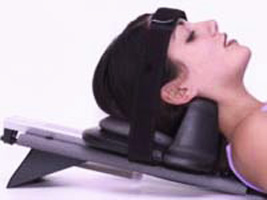
Cervical traction is a physio-therapeutic modality (treatment) whereby a linear stretching force is applied to the head in an effort to reduce compression of the spinal structures by increasing space between vertebrae of the spine. These methods becomes therapeutic when any of the following desired results are achieved. Traction can be applied (1) in the supine or “lying face up” position or (2) from a sitting up position utilizing an over-the-door traction type of device. Although some users experience relief from the simple over-the-door units, the associated traction harness tends to place undo stress on the jaw and can cause problems like TMJ. Additionally, only 20 lbs. of traction can be applied by the over-the-door method. Supine cervical traction devices like Comfortrac Cervical Neck Traction or the Saunders Cervical Traction units are the units preferred by most doctors.

DESIRED RESULTS FOR CERVICAL TRACTION
  • to reduce nerve pressure
  • to overcome muscle spasm
  • to reverse the forces of gravity
  • to break the cycle of pain/spasm/pain/spasm
  • to facilitate disk hydration and healing
CERVICAL TRACTION FOR DISC HERNIATIONS, BULGES AND ARM PAIN

One important functional benefit of traction is that such application of tensile force to the interwoven fibers of the spinal disks, literally creates a vacuum effect that may pull back to center a bulging or herniated nucleus pulposus (center material of disk). Such herniations are often responsible for the pain that radiates to the shoulder, arm and hand. When utilized in a safe, proper manner; traction can offer effective therapy for:
  • reduction of disc herniation and associated symptoms
  • improvement of joint mobility
  • relief of nerve and disc compression
  • improvement of posture
  • relief of pain

The disc spaces
Before Traction and During Traction
applied by a Comfortrac Supine Cervical Traction Device
Cervical Spine Before Traction with Comfortrac
BEFORE TRACTION
Cervical Spine During Traction with Comfortrac
INCREASED DISK SPACE


ANATOMY OF CERVICAL TRACTION To better understand the therapeutic value of traction it is important to have at least a basic understanding of anatomy and structures of the cervical spine (neck). As a matter of fact, Medicare and Medicaid authorities define a cervical traction device as one that applies traction to the cervical “anatomy”. Why this is true may be explained by anatomical facts like the following: There is a ligament or band of strong binding material that runs the length of the back side of the cervical spinal vertebrae, actually tying them together. It is interesting to note that when traction is applied to this band, also known as the “posterior longitudinal ligament”, the resulting pull on fibers of the spinal disk causes movement of fluid that creates and draws a vacuum, literally sucking a herniation or bulge back toward the center of the involved disc.

 THE FACTS:
  • VERTEBRAE OR BONES OF THE NECK - The cervical neck vertebrae are the smallest of all the spinal vertebrae. The purpose of the cervical spine is to house and protect the spinal cord, support the skull, and enable versatile head movements like rotation, flexing forward, and extending backward. The cervical spine is composed of 7 vertebrae with shock-absorbing, space-occupying disks in between the vertebral bodies of each vertebrae. Behind the vertebral bodies and in front of the weight bearing joints of the vertebrae is the spinal cord. Nerves come off the spinal cord and exit through holes formed at joining portions of each pair of vertebrae. These nerves sense pain and control muscles and organs.
  • POSTURE AND CURVE OF THE NECK - the neck has a special curvature called a cervical lordosis that transfers the weight of head to supportive joints rather than the placing pressure on the disks. Spinal disks would wear out quickly if they were forced to carry the weight of our head. This natural curve helps protect our spinal disks.
  • SHOCK ABSORBING DISKS - spinal disks are sort of like the inside of a golf ball. They have a gel-like center (nucleus) that is contained by woven rubber-band like structures known as fibro-cartilage. The gel being contained within these fibers acts like a hydraulic shock absorber similar to what is on your car. The disks are also 75% water, functioning to bring nutrients to the live fibro-cartilage cells. Loss of such water decreases nutrient supply and shock absorption, leading to weakness in the fibers that hold the gel nucleus. Weakness can lead to a bulge known as a herniation and can place pressure on the nerves as they exit the spine. Understanding the anatomy helps us understand the physiology of developing symptoms and helps us develop a comprehensive therapeutic approach including sensible lifestyle modifications and good nutrition for the healing spinal disks. With this understanding it is often possible to resolve associated nerve irritation and symptoms without surgical intervention.

CONDITIONS THAT RESPOND TO CERVICAL TRACTION
  • Lack of mobility (hypomobility)
  • Spinal misalignment
  • Disc bulging or herniation
  • Cervical spinal nerve impingement
  • Cervical spondylosis, osteoarthritis or degenerative disks
  • Muscle spasm and general tightness in the neck and shoulders
  • Shoulder, arm and wrist pain or numbness
  • Cervical neuralgia or radiculo-neuropathy
MAKING CERVICAL NECK TRACTION SAFE FOR HOME USE

Good News - when traction is applied to the spine it tenses the fibrous outer portion of the discs. This tension will open channels for the influx of nutrients and water (hydration) to the cartilage cells, helping restore normalcy to injured disks.
Bad News - however, if application of traction is prolonged beyond a certain threshold, the fluid entering the disk can create excessive osmotic pressure and predispose a disk to rupture. Understanding things like this creates awareness of the need for professional guidance prior to embarking on self treatment with traction.

PLEASE READ THE FOLLOWING CAUTIONARY ADVICE:
First and foremost, never utilize traction without first consulting an attending physician for proper protocol.

Furthermore, let me begin by saying that the use of any mechanical traction should always be preceded by the use of manual traction (i.e. done by hand) performed by your chosen practitioner, whether a skilled chiropractor, physical therapist or orthopedic doctor. This is most safely applied with one hand under the occiput of the skull and the opposing hand on the forehead of the patient. Pressure applied to the jaw puts excessive pressure on the TMJ joint and is not recommended by this writer or most experienced neuro-musculo-skeletal practitioners.

This consult should be concluded with a suggested and monitored course of therapeutic traction. Supine home traction devices can be extremely beneficial if this protocol is followed. Conversely, without proper direction, one could cause more harm than benefit.

WHAT IS THE BEST CERVICAL TRACTION DEVICE?

It is this writer’s opinion and upon the recommendation of most savvy physicians, supine cervical traction units like Comfortrac Cervical Neck Traction or the Saunders Traction Unit are the most suitable for safe home use. They both use pneumatic pumps that can easily be operated by the user and offer both intermittent or continuous traction. See more details in the 2nd paragraph of this article above.

BEST CERVICAL TRACTION TREATMENT METHODS…

  1. Two Traction Protocols: sustained or intermittent traction can be applied in a sustained or intermittent manner. Pneumatic supine traction units can administer sustained or intermittent traction.
  2. Sustained traction is recommended when treating degenerative disc disease, muscle spasm and nerve root impingement. Care must be taken not to apply sustained traction whereby the amount of time exceeds that recommended by an attending physician.
  3. Intermittent traction is recommended for treating facet joints and disc protrusion.
  4. When applying intermittent traction, the “rest ” period involves a reduction of traction force (about 50%), not the complete removal of force. Some authorities recommend to reduce the force by 1/3 during the rest phase.
  5. Cervical Traction Application to Open Up Space: a minimum of 15 degrees of flexion is necessary to open the cervical posterior facets. To maximally separate the cervical posterior facet articulations, open the intervertebral space, widen the intervertebral foramen and stretch the posterior tissues, 25-30 degrees of flexion is recommended. This position also straightens the normal cervical lordosis.
  6. Applying Force to Upper or Lower Neck: traction in the neutral cervical spine position causes the greatest separation in the upper cervical spine; 30 degrees of flexion directs the forces more to the lower cervical spine.
  7. Supine Cervical Traction Best: cervical traction should be applied in a supine position for optimal benefit.
CONTRAINDICATIONS, TRACTION CONCERNS AND TMJ PROBLEMS
  • Traction contraindicated for cervical distraction injuries at any level (this includes acute and/or unstable, severe sprain/strain injuries of the cervical spine as might occur in a whiplash).
  • Traction contraindicated for certain fractures like Type IIA hangman's fractures
  • Traction contraindicated for joint hyper-mobility
  • Caution must be exercised when performing traction on anyone with TMJ problems. As suggested above, supine cervical traction whereby forces are not exerted on the jaw is not only better traction protocol, but safer for those who already suffer with a TMJ condition.
WHAT SHOULD I FEEL AFTER CERVICAL TRACTION?
 IS THE RELIEF IMMEDIATE? DOES TRACTION HURT?

Although cervical traction can be uncomfortable, it is not suppose to be painful when properly applied. Some folks will complain that they feel soreness of a different kind after application of the therapy. This is quite normal. As a matter of fact, the majority of traction users do not feel better immediately after the traction. It is more common to feel better the next day. On the contrary there are those that experience immediate relief and absolutely enjoy the entire therapeutic experience. This writer is one of those persons. I feel completely relaxed during my traction sessions and feel like the weight has been removed from my shoulders.

Now, this being said, please understand that I’m referring to traction being performed in the supine or “lying face up” position. As discussed earlier, other sitting up methods like over-the-door units present their own set of problems and they make it really hard for the user to relax.

If, after reading this article you feel you are a good candidate for cervical traction you should discuss the possibility with your health care provider. Often, they will prescribe a home cervical traction unit. Ask your doctor if he or she agrees that a supine cervical traction unit like Comfortrac Cervical Neck Traction might be better than the over-the-door type. With a prescription, you may seek reimbursement from your insurance company even though you will often have to make the purchase on your own.

Friday, February 17, 2012

Piriformis Syndrome - self diagnosis - best treatment


I received an interesting email from a lady with the following described signs/symptoms:

Hope you can send me in the right direction. For about 6 weeks I have suffered pain in my right buttock with tingling and pain down my right leg and into the calf of my leg. After reading all the posts that have been sent to you I can understand that my symptoms are likely related to the sciatic nerve. I did not have a fall but simply overdid fast walking which I think is the cause (the music in my headphones was quite lively!). Have been to the physical therapist which made it really hurt, been to the doctor who prescribed a lot of ibuprofin and a muscle relaxer. This is painful when I have to stand still but not when walking. It is painful when sitting for a long period of time. I can bend in any direction and the spine works fine with no pain. After reading online I thought perhaps it might be piriformis syndrome. I see that others recommend Stretching for that. However, you often tell people to avoid stretching because it makes sciatica worse. What to do? Are there certain diseases that can cause this (I had a bladder infection about two weeks after the pain started and took the medication for that and that is gone.) Thanks for your help.

THOUGHTS ABOUT DIAGNOSING AND TREATING PIRIFORMIS SYNDROME
Your self-diagnostic train of thought is remarkably intuitive. It would seem logical that you do not have a lumbar disk problem causing the sciatica, although there are rare cases of such that present with absolutely no back pain. I think you're very likely to have a "Piriformis Syndrome".  Stretching is indeed an important aspect of treatment for such in the long run. However, it is often very much contra-indicated in the initial treatment phase because it could very well have been the long strides (during your fast walking exercise) that over-stretched the Piriformis, causing the initial and likely current spasm. You will almost certainly benefit from appropriate physiotherapy modalities like electrical muscle stimulation over the belly of the muscle and perhaps some deep-pressure massage to relieve the spasm. Sleeping, especially on the side could be irritating the condition and it might be advisable to place a large, fluffy, pressure-reducing foam pillow between your knees to relieve the stretching on the piriformis muscle. The side that is is up, is the side that will get stretched. I personally use and recommend the Nimblepedic Comfort Touch Memory Foam Pillow for this purpose.

Anti-inflammatory meds and muscle relaxors I find to be pretty useless in these cases. Stretching will often irritate until the initial spasm is overcome. This is because stretching the tight muscle often forces it into contact with an already inflamed sciatic nerve. In the long run you might need to have your gait evaluated to note whether there is a problem with shoes or bio-mechanical dysfunction of the foot and ankle that might have led to the onset. For example, pronation, a functionally short leg, or toeing out while walking can all be related. Shoes and/or orthotics can often be a sensible solution. I suspect that the reason walking is not seeming to exacerbate the pain is because you are not being as overzealous with your stride as you were before. However, this does throw up a red flag that makes us want to make sure that your lower abdominal or pelvic organs are not referring pain down your leg. You should have a good evaluation from you internist as well.

When it comes to conditions affecting nerves from the lumbo-sacral area, the nervous system regulation of organs in that region can be affected, leading to a weaker organ that is more prone to infection. Although it may have indeed been coincidental, either condition could have impacted the other.

I think this case is an interesting one that a lot of folks might relate to, so I decided to make a post of my advice to her.

Wednesday, December 15, 2010

Best Weight Loss Drink Beverage


Want a super-concentrated green tea drink that tastes great, sheds pounds and inches, retards aging and heals your body? It's now possible with Green Tea HP, a proprietary blend of pure and highly concentrated EGCG-rich, live green tea extract, healing nutrients, natural stress reducers and trace minerals. Consider the addition of an anti-aging super-fruit blend and WOW -- GreenTeaHP wins my vote as the most effective and sustainable way to achieve health and well-being while changing the way you look forever.

Green Tea HP Superiority

  • Formulated with super-concentrated amount of green tea's most beneficial ingredient known as EGCG (equivalent to 8-10 cups of organic green tea)

  • GreenTeaHP is like a "drinking fountain of youth and wellness"

  • Single-serve pixies mix instantly with water so you can take GreenTeaHP with you anywhere, anytime.

  • Potent energy drink, sports' drink, and great for general hydration

  • A great compliment and adjunct to all diet plans including the HCG diet

  • Reduce consumption of high-calorie, poor-nutrition beverages like coffee, energy drinks, unhealthy weight-loss or soda drinks

  • IN SUMMARY, you eliminate extra calories and unhealthy chemicals from your diet, while increasing your metabolism, energy level, productivity and longevity.

Key Ingredient

Healthy Benefits for Various Conditions

Green Tea (EGCG)

Anti-oxidant that Improves overall wellness, increases metabolism, promotes weight loss, increases energy, lowers blood pressure, reduces risk of various cancers, dilates coronary and peripheral arteries, helps reduce mouth bacteria and gingivitis. It should also be noted that green tea reduces "platelet clumping" and therefore the risk of stroke or heart attack. It also helps diabetics utilize insulin and reduces hemoglobin A1C.

Noni

General well-being, vitality, potent anti-histamine and anti-inflammatory and anti-allergy benefits

Pomegranate

Potent anti-oxidant that is an endothelial dilator by increasing nitric oxide, reverses arteriosclerosis and vessel disease, hypertension, shrinks enlarged prostates, reduces symptoms of menopause and lessens the risk of breast cancer

Acai

High ORAC value anti-oxidant that reduces cholesterol, fights infection, anti-tumor properties, a stress reducer

L-Theanine

An amino acid that is relaxing and stress reducing

Resveratrol

Retards aging, cardio-vascular benefits

Sea-sourced Trace Minerals

Promotes a multitude of necessary bodily functions, including the regulation of heart beat, the contraction of muscle, and the facilitation of enzymes and anti-oxidants.


GET READY TO BE COMPLEMENTED -- Everyone is going to notice the new you!

Sunday, February 14, 2010

BackCycler - Passive Motion Healing Your Back


BackBeNimble.com announces the re-launching of the BackCycler®, their most popular back pain product ever. BackCycler® was previously awarded the Good HouseKeeping Seal of Approval for the best back pain product they tested.
BackCycler - CPM Exercise
This amazing product uses computerized continuous passive motion to exercise your back while you drive or sit.

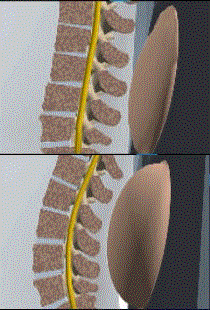
The BackCycler improves posture and keeps the spinal disks hydrated while you sit. Sitting is inherently hard on the spine and the continuous passive exercise provided by BackCycler prevents stiffness and fatigue often occurring with long drives or prolonged sitting.

At a modest price of $79.95 BackCycler® is a must for back pain sufferers.

Monday, January 25, 2010

Cervical Kyphosis - Loss or Reversal of Neck Curvature

Most commonly known as a “military neck” a straight or forward curve of the neck is abnormal and may cause an unkind progression of symptoms leading ultimately to cervical disk degeneration.

A healthy neck manifests a normal lordotic curvature as portrayed in the picture to the right. The pathology leading to a neck curve reversal (cervical kyphosis shown below right) may be inspired by a multitude of conditions as follows:
  • Post whiplash
  • Post head injury
  • Stomach sleeping
  • Poor sitting/working postures
  • Congenital spinal curvatures
  • Osteoporosis
  • Degenerative cervical discs (a form of osteoarthritis that can either be the cause of or the result of a cervical kyphosis)
  • Compression fracture of vertebral body
  • Infection of the cervical spine


ANATOMY: STRAIGHT VS. CURVED

“I’ve always heard that it was good to stand up straight.”

“Stand upright, stick your chest out and hold your shoulders back! Otherwise you’re going get widows hump.”

Are these expressions as familiar to you as they are to me? One might think that having a curved neck goes against what we heard from parents and teachers as we were growing up, but the reality is that there is a little bit a truth in both. Maintaining good posture throughout our lives is crucial to both the health of our spine and vital organs. On the contrary, a special type of curve called a “lordosis” is a good thing, both in the neck and lower back.

When we look at a person from the back their spine should be truly straight, so that the left and right sides of one’s body is symmetrical. However, when we view a person from the side, the front and back of their body is different and this is reflected in a coinciding curvature of the spine. Both the lower back and neck are hollowed out (concave) and the mid or “thoracic” spine is protrudes (convex). Thus there is an alternation of curves functioning to provide stability, shock absorption and aid in propulsion. A straight spine would be very stiff and not flexible. Imagine the plight of a pole vaulter with an inflexible pole.

Nature’s design of our spine and rib cage facilitates breathing and offers protective and supportive framework for vital organs. Spinal disks are shock absorbers and because they are in the front of the spine, lordotic curvatures keep them from having to bear weight. Kyphosis or loss of such curvatures bears weight upon the disks, leading to their ultimate degeneration. This process of deterioration is a form of osteoarthritis and in the spine is known as degenerative spondylosis.

DIAGNOSIS
Although most chiropractors or conservative orthopedists can recognize a cervical curve reversal upon viewing the patient’s posture, a definitive diagnosis may be obtained via a standing lateral (side view) X-ray of the neck. Cause can often be determined by corroborating a comprehensive history, a thorough examination, X-rays and questions about sleep, work and lifestyle.

In my professional career as a chiropractic physician, I found that the majority of young adults presenting with cervical kyphosis either had a whiplash or were stomach sleepers from an early age. For desk jockeys 40-60 years of age, many hours of sitting with their head flexed forward almost dictates the fate of developing kyphosis. In prior years I considered cervical kyphosis a job hazard for the careers of accountants, attorneys and often teachers because of years spent with their head in a book or paperwork. However, the digital age offers some relief in that respect. A well-planned, ergonomically-friendly office can do wonders for protecting the spine in the sedentary worker.

TREATMENT FOR CERVICAL CURVE REVERSAL (KYPHOSIS)
During my chiropractic practice I had the opportunity to note a good percentage of correction toward a more normal lordosis (noted on X-ray) for 70% of patients under my care. This was almost always consistent with those patients that followed all recommendations and were model participants in their own care. Here is the recommended treat plan:

  1. Spinal manipulation of stiff and fixated spinal segments by a qualified physician
  2. Flexibility exercises for flexion and extension of cervical spine
  3. Resistance exercises for flexors and extensors of the neck
  4. Learn the Alexander Technique for maintaining good posture (HINT: the basic philosophy is to sit and stand like you were hanging by a string from the vertex of your skull. Liken it to a puppet on a string).
  5. Elimination of stomach sleeping
  6. Avoid standing on your head, although some yoga postures may be beneficial
  7. Use of orthopedic neck pillow while sleeping
  8. Establish and ergonomic friendly work environment while working at your desk
    • top of computer monitor should be at eyebrow level
    • ergonomic chair should remain in a slightly forward tilted position to facilitate an upright posture. If you do not have such a chair, try a wedge cushion with a built in forward tilt.
    • prudent use of an ergonomic footrest to balance the forward tilt of an ergonomic chair
    • elbows must be at your side during mousing, track pad or keyboard entry. DO NOT reach for these items

Friday, January 15, 2010

DR. OZ – The Wellness Messiah


As a retired chiropractic physician and quasi wellness expert I have long espoused the true philosophy of wellness. I’m what Doctor Oz would call a “wellness warrior”. I can really relate to the philosophy administered by Dr. Oz and the Dr. Oz show team. It pleases me to note that a well-respected medical doctor like Mehmet Oz is reaching a vast audience with a common sense approach for care of the human frame. As a nation we have lived in an environment whereby doctors have hastily recommended surgery or loaded patients up with powerful medicines. We must turn our focus to health and away from simply treating diseases as they arise. I’ll take this moment to commend Dr. Oz for his valiant efforts and designate him the “Wellness Messiah”.

Personally, I have lived true to the wellness warrior lifestyle and strongly advocated such to my friends and family members. During my journey as a health care provider I often experienced the need to overcome negative rhetoric surrounding the chiropractic profession from both patients and allopathic (conventional medicine) colleagues. I found it interesting that patients dosed with multiple medications from their medical doctor(s) were often those that suffered from the greatest ill-health. I have jousted with patient apprehension for alternative therapies, yet have been joyful when the acceptance of such produced a welcomed result.

I believe chiropractors were the first modern day wellness professionals although ancient medicine had its origins in what we now consider alternative therapies. The foundation of the wellness warrior is a strong belief in the innate recuperative powers of the human body. An active, harmonious lifestyle combined with a balanced, colorful, and sustainable diet is the way of the warrior. Key components exclude processed grains and sugars, but require proper breathing, movement (exercise), dependence on vital plants/herbs and judicious use of all Mother Earth’s bounties.


“Let me take this opportunity to join Dr. Oz in welcoming new Wellness Warriors to a vital and long life.”

Thursday, November 5, 2009

MBT Shoes - The New Best Running, Training and Recovery Shoes

INTRODUCTION


After a detailed bio-mechanical and practical evaluation of the MBT shoe for both training and recovery I’m really a fan of this so-called “anti-shoe”. It is the contention of this researcher that MBTs will be validated as the new best running shoe for those suffering or recovering from back pain, hip injuries, arthritis, knee problems and conditions of the foot and ankle.

However, unlike the info most prevalently available about MBT shoes creating instability, I believe MBT shoes actually enhance overall stability because of their unique self-righting sole and its ability to act in symphony with the postural muscles. This improves stability as the user's foot interfaces with hard surfaces. The only portion of the gait whereby there is instability in MBT footwear is at heel strike. This functions to absorb the shape of the terrain and lessen pressure on the heel.

MBT functionality could be likened to that of the old Joe Palooka Bob Bag of the 1950's. This was a self-righting punching toy with a counter-weighted bottom. No matter what one did to it, it righted itself in a perfectly vertical format.


WHAT ARE MBT SHOES?

Quite simply they are rocker-bottom soled footwear that enhance a user’s ability to maintain natural and proper postural balance. They are super comfortable and nature’s answer to many sports’ injuries and orthopedic complaints of the back and low

er extremity.

“MBT” is an acronym for Masai Barefoot Technology and the shoes were engineered as a result of studying the Masai Tribe in Kenya. These people have a significant lack of knee, foot and ankle problems.

Most running shoes are designed to lessen the n

eed for a good set of balanced muscles. However, MBT design facilitates muscle activity and the recruitment of muscles maintain the balance of the user. This is similar to the benefits to be gained by running barefoot in semi-soft sand.

Although orthotics can be worn inside MBT Shoes, we find they are often unnecessary. That’s right, MBT shoes are a better substitute for most foot orthotics that were prescribed to either relieve heel pain or improve the biomechanics of the foot.

DESIGN OF THE MBT SHOE

The above diagram showing how MBT design aids the walking/running gait.

The diagram above demonstrates lateral stability and balance fore and aft with MBT footwear.

The unique features of the MBT design are (1) the soft Masai Sensor Cushion and (2) the Self-righting Rocker Bottom Mid-sole.

The sensor cushion is located under the heel, but is longer, less dense and has a different shape than most cushions in the heel of a shoe. On one hand its properties simulate uneven ground, subconsciously soliciting a proprioceptive response from the stabilizing muscles. This compensatory response facilitates adaptation to the terrain.

The balancing action of the mid-sole, with its integrated self-righting/rocker bottom technology, actively exercises the muscles and precisely guides the mid-stance through toe-off motion in a very controlled manner.

All parts of the shoe, work in harmony with the wearer, exercising the entire lower torso and lower extremities while virtually eliminating the stress to joints and ligaments.

MY PERSONAL EXPERIENCE

This researcher is now an avid MBT wearer. After a stay in the hospital as a result of cardiopathy, I noted that my right knee and right heel were in peril giving me trouble walking. Apparently, the lack of oxygen and immobility resulting from a hospital stay had caused a previously minor condition to rapidly deteriorate. Upon examination by a competent physiatrist (doctor of physical medicine), MRI showed a ruptured Baker’s Cyst combined with severe degeneration of my medial cartilage. I was also suffering from a heel spur and plantar fasciitis. I was determined to walk to rehabilitate my heart condition, so I went shoe shopping and purchased a $120 pair of Salomon XT Wings GTX Trail Runners. These shoes are really top of the line and I rather enjoyed them. My condition was slightly alleviated by them, but not to my satisfaction. After 2 months I purchased a pair of ASCIS Gel Kayanos which although nice and light and comfy, made absolutely no improvement. I’ve always been a fan of New Balance, so I looked for their best trail running shoes and purchased those; again to no avail. I then tried Pearl Izumi’s SynchroSync III, which is a wonderful shoe and the best running shoe I have ever tested by far. This made it possible for me to walk with less pain and even run a little bit. However, after 2 months of wearing those, I was still in pain and not complacent with the results. Only out of curiosity and with lots of skepticism did I try MBTs. I had already decided that Pearl Izumi made the best shoe on the market and since MBT is the “anti-shoe” I suppose that is still true. I was accompanying my sister on a quest for a good walking shoe and this led to my first MBT experience. Wow, I was sold the first time I put them on. The pain in my knee and heel were present, but tolerable. I bought a pair and within 3 day of wearing them I was able to run with minimal heel or knee pain. I’ve saw continual improvement over the next 3 months and today, I’m virtually free of the pain.

Tuesday, September 22, 2009

Sleeping with Hip Pain and Bursitis

hip pain while lying or sleeping on side
Do you suffer with lots of pain in the hip after prolonged sleeping in a side posture? You’re certainly not alone. The cause may be bursitis and this can occur either with the hip/leg on top, or the one that is pressured against the mattress. Hip bursitis can either be acute or chronic hip bursitis.

WHAT IS BURSITIS?
Bursitis is dysfunction in the fluid-filled sac (bursa) that normally provides buffering and lubrication for tendons gliding over a joint. It is often caused by new or old injuries or can be a result of lack of important nutrients to the joint. Acute Bursitis is inflammation of the sac and perhaps over-production of fluid (swelling). Chronic bursitis actually presents with dryness, lack of fluid and poor lubrication for movement of tendons.

HIP PAIN ON THE DOWNSIDE
Although there are many facets of treatment and self-care for bursitis of the hip joint, a pressure point relieving, supportive foam mattress is one very important aspect of treating it. REASONING: (1) It is important to not have pressure on the inflammed bursa while lying on that side. (2) Additional to excessive pressure, poor mattresses lack support and often sag or hammock. That places an undesirable stretch on the muscles associated with the hip on the downside, thus irritating the bursa and impeding healing. One might wake up with pain, clicking, stiffness and limited mobility which may lessen after being up and about for awhile.

HIP PAIN ON THE UPSIDE
Alternatively, your pain may occur in the hip that faces upward. I know this seems sort of odd, but it is actually quite common. REASONING: (1) In most people, their hips are wider apart than their knees. This is especially true in women. This anatomical truth can create tension on hip muscles as the knees come together and stretch such muscles. (2) Or perhaps, one stretches their leg out in front of them twisting the spine and pulling on hip muscles. In those with bursitis, this can wreck havoc with the sensitive bursa. (3) Of course, a supportive, pressure relieving mattress is advisable to prevent excessive hip rotation.(4) However, in this case it is often advisable to also utilize a nice space occupying pillow between the knees. The pillow should be soft enough to not impede circulation but substantial enough to maintain a distance between the knees perhaps equal to the width of the hips. Please note that hip bursitis often is complicated by a component of hip tendonitis which may also be alleviated with the advice of this article. Please also note that this is not the panacea of care for hip bursitis. Functional care involving nutrition, stretching, strengthening and physical medicine are advisable but beyond the scope of this article.

HELPFUL SLEEP SOLUTIONS FOR HIP BURSITIS

Mattresses to consider:
  • Nimblepedic Memory Foam Mattress
  • Pincore Latex Foam Mattress
  • Or, if your mattress is extremely firm, it likely causes pressure points and will actually bend the spine. In such cases, instead of a new mattress, one may consider a memory foam mattress overlay for firm mattresses.

Pillows to consider:

Wednesday, August 26, 2009

Adjustable Beds: Enhancing the Sleep Experience

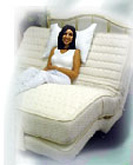
The current evolution of sleep technology suggests considering an adjustable bed for improving sleep quality at any age. Although hospital beds are a form of adjustable bed and have been around for years, the thought of placing one in the home was previously only considered for the elderly and debilitated. Why has the adjustable bed captured almost 40 per cent of premium beds sales in the 21st Century? First let us understand the importance of a sound sleep.

UNDERSTANDING WHAT SLEEP REALLY IS

Sleep has all of the following characteristics:

  • a lack of or decrease in awareness of environmental stimuli
  • the maintenance of core body temperature (in homeotherms or mammals like us)
  • is easily reversible (to wakefulness)
  • has distinct EEG patterns in mammals (different from a state of wakefulness)
  • has spontaneous occurrences with inherent repetition (independent of other bodily needs and environmental cues)
  • sleep offers the benefit of conserving energy while focusing on repair of the body

WHY DOES ONE NEED A SOUND SLEEP?

Humans spend one third of their lives in a somnolent state. This is one reason your bed is so important. Here are some others:

Sleep deprivation impairs thinking and suppresses the immune system.

Neural activity inducing sleep is synonymous with such that regulates temperature. Much evidence exists that indicates the origin of the sleep process was simply a method of body and mind maintenance. This included both temperature control and the enhancement of memory recorded by neural activity during REM sleep. More specifically, sleep is a period of time whereby the brain and body can learn and mend without the interference of outside sensory stimuli or sleep-disruptive motor activity. In simple terms, we recuperate, learn and commit new information to memory when we sleep. How important might this be for a student?

Thus, sound sleep is a state required for learning new neural patterns. In other words, in order for the nervous system to grow and change, there must be down time from active behavior. Creatures as primitive as worms require adequate sleep. Don’t you think humans deserve at least as much?

EVOLUTIONAL HISTORY OF BEDS AND MATTRESSES

  • First Beds - The first beds of ancient man likely consisted of soft grasses and leaves on rock palettes or open ground.
  • Fancy Ancient Beds - Thousands of years before Christ, in ancient Egypt, royalty slept on the first feather bed mattresses supported by bed frames made of gold, bronze and ebony. Sometimes hay, wool or grasses were substituted for the feathers. Wool and feathers were great for maintaining body temperature and we’ve just touched upon the importance of such.
  • Renaissance Materials - The Renaissance Era brought great improvement in mattress plushness. Feathers, straw and/or the shucks of legumes were covered with fine silky or velvety fabrics.
  • 16th Century - In the sixteenth century, foundations created by a web of ropes were developed to create flexible support for mattresses. This is thought to be the origin of the phrase: “sleep tight” because by tightening the network of ropes, more support was provided.
  • 18th Century - During the 18th century, cotton was utilized for mattress stuffing which was a deterrent for bed bugs that had become accepted as commonplace.
  • Early 20th Century - In the 1930’s America introduced the innerspring mattress.
  • 1950’s - Latex foam rubber mattresses were introduced by Goodyear in the 1950’s and marketed by Sears and Roebuck.
  • 1980’s - Airbeds hit the market in the 80’s.
  • 1990’s – Memory foam mattresses by Tempurpedic® ® hit the USA.

ADJUSTABLE BEDS IMPROVE THE SLEEP EXPERIENCE

The advent of high quality foam mattresses in the 1990’s brought about innovation. In 1994, it is this author’s belief that, Back Be Nimble was the first company to expound on this by partnering a memory foam mattresses with an adjustable bed from Electropedic. BackBeNimble.com started a nationwide marketing campaign offering a combination of the now famous Tempurpedic® memory foam mattress with this high quality adjustable bed and groomed it for residential environs.

Labeled the European Adjustable Sleep System by Back Be Nimble in 1995 and offering a Tempurpedic® Mattress / Electropedic Adjustable Bed combination, it was brought to the attention of Dave Fogg, the then current CEO of Tempurpedic®, Inc. Mr. Fogg did not feel that the adjustable bed market could be expanded beyond the geriatric market and that Tempurpedic®’s target customers would not likely have interest in such. Additionally, he expressed that beds in this price range would also not sell through online catalogs.

Following this conversation, BackBeNimble.com proceeded to market the European Adjustable Sleep System via both brick and mortar and online media. After three years, almost 50 per cent of Back Be Nimble bed sales were adjustable beds vs. the conventional flat bed.

Needless to say, the bed and mattress industry took notice, nonetheless Tempurpedic®, Inc. It is this author’s contention that 50% of Tempurpedic®’s sales from 2004-2005 combined their Tempurpedic® mattress with one of their Leggett and Platt adjustable bed frames. The rest is history.

IS AN ADJUSTABLE BED RIGHT FOR YOU? Let’s investigate!

  • Restful & rejuvenating
  • Reduces tossing and turning
  • Increases the period of REM sleep
  • Comfortable & adjustable
  • Pain free & relaxing
  • No heartburn, no snoring
  • Zero pressure-point adjustable bed mattresses
  • 1000 positions for you and your partner with independent controls for each (with dual-adjustable beds)
  • Wake up rested and refreshed
  • Hmm… Maybe this is “Zzzz” sleep you’ve imagined

Gravity and Zero-gravity Effects of Adjustable Beds

While the beneficial floating or weightless effects of zero-gravity on the spine are experienced on an adjustable bed, these beds also use gravity to benefit your health.

Indigestion: By elevating the torso, normal digestion is enhanced. The stomach acids actually flow down hill, helping to alleviate the discomfort of reflux, GERD and acid indigestion. Breathing is enhanced for more complete oxygenation of the tissues.

Low Back Pain & Sciatica: By elevating the legs while bending the knees, your adjustable bed uses gravity to aid circulation while relieving lower back pain and tension on the sciatic nerve.

FINAL THOUGHTS

Still think adjustable beds are only for the elderly? We don’t either. Sleep was meant to be good at all ages and people of all ages have insomnia or less than adequate sleep. A pressure-reducing mattress on an adjustable bed platform is the current best practice for achieving a restful, rejuvenating sleep.

TEMPURPEDIC® is a registered trademark of TempurPedic®, Inc. and use of such does not imply endorsement of this blog by Tempurpedic®,Inc.